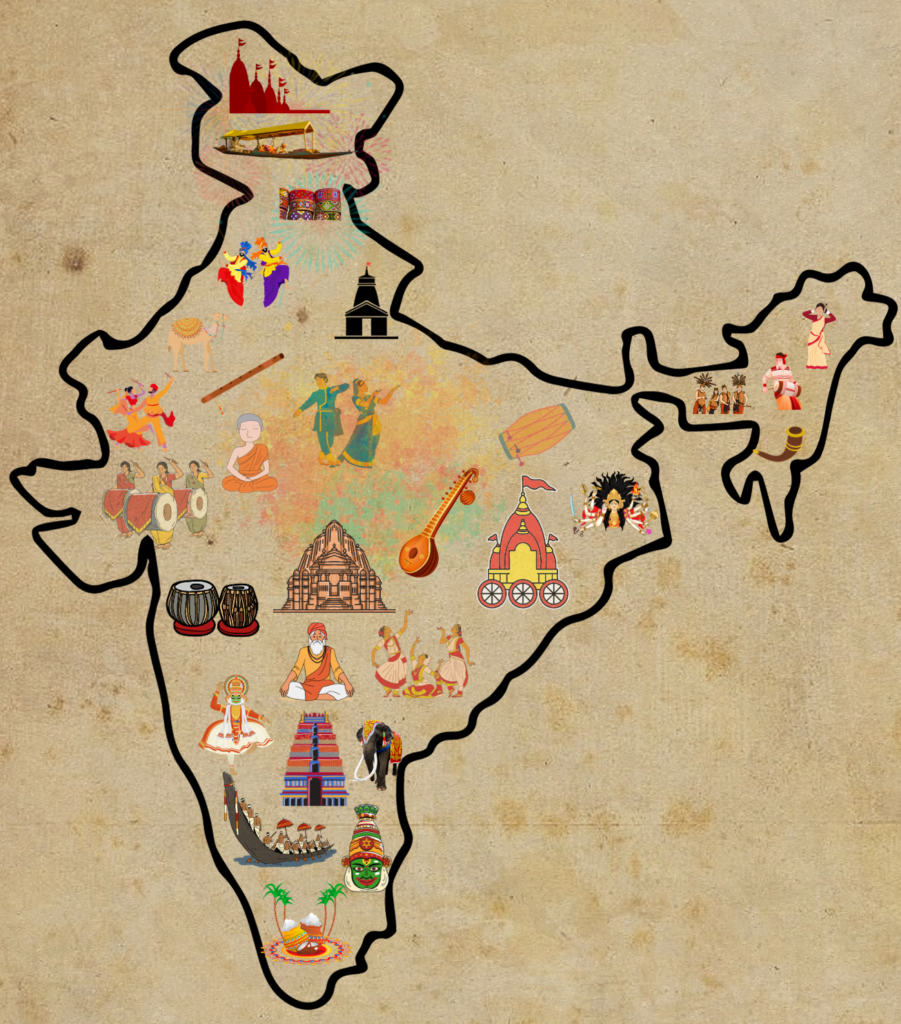
Art and culture play a significant role in the UPSC (Union Public Service Commission) examination, particularly in the subjects of Indian heritage and culture, history, and optional subjects like Fine Arts and Sociology. Knowledge of art and culture is essential for understanding the historical, social, and cultural aspects of India. Art encompasses various forms like visual arts, performing arts, literature, architecture, cinema, music, and dance. Culture, on the other hand, refers to the ideas, beliefs, customs, practices, and social behavior of a particular group or society. It reflects the shared values, traditions, and identity of a community. Understanding art and culture is important for aspirants because it helps in comprehending historical events, analyzing social changes, and appreciating diversity. It provides insights into the development of society, its values, and the impact of various art forms on people’s lives
Syllabus Introduction and Preparation Strategy
Art and Culture is an important topic for the UPSC examination. It falls under the category of General Studies Paper 1, which includes topics related to Indian Heritage and Culture, History, and Geography of the World and Society. Here are some key points to remember while preparing for the Art and Culture section of the UPSC examination:
- Indian Art and Architecture: Study different forms of Indian art and architectural styles, such as temple architecture, cave paintings, mural art, sculptures, and stonework. Learn about famous monuments like Ajanta and Ellora Caves, Khajuraho Temples, and Hampi. Dance Forms: Understand the various dance forms of India, including classical dance forms like Bharatanatyam, Kathak, Odissi, Kathakali, Manipuri, and Mohiniyattam. Also, learn about folk dances from different states.
- Music and Musical Instruments: Learn about classical Indian music forms like Hindustani and Carnatic music. Understand the different musical instruments and their significance. Familiarize yourself with famous musicians and composers.
- Literature and Language: Study famous works of Indian literature, particularly from ancient and medieval times. Understand the contributions of famous Indian writers, poets, and authors. Pay attention to important works like the Ramayana, Mahabharata, works of Kalidasa, and other significant literary texts.
- Theater and Performing Arts: Explore the history and development of Indian theater and performing arts. Study famous theater forms like Yakshagana, Nautanki, Jatra, and traditional folk performances.
- Painting and Sculpture: Understand the evolution of Indian painting and sculpture from ancient to modern times. Study different schools of painting like Mughal, Rajput, and Bengal School of Art. Learn about famous painters and sculptors. Festivals and Celebrations: Gain knowledge about the diverse festivals celebrated in India, including religious, regional, and cultural festivals. Understand the rituals, traditions, and significance associated with these festivals.
- Folklore and Oral Traditions: Explore the rich folklore and oral traditions of India, including folk tales, legends, proverbs, and riddles. Understand the cultural and historical importance of these traditions.
- Conservation and Preservation: Study the efforts and initiatives taken for the conservation and preservation of Indian art and cultural heritage. Learn about organizations like Archaeological Survey of India (ASI) and UNESCO World Heritage Sites in India.
Preparing for the UPSC Examination in Art and Culture requires a structured and comprehensive strategy. Here are some steps to help you prepare effectively:
- Understand the syllabus: Read and understand the UPSC syllabus for Art and Culture. Identify the topics that need to be covered and the level of depth required.
- Study the NCERT books: Begin your preparation by studying the NCERT books on Art and Culture.
- Refer to standard reference books: After you have covered the basic concepts from the NCERT books, refer to standard reference books.
- Make notes: While studying, make concise and precise notes on important topics. These notes will help you during revision and serve as a quick reference.
- Study ancient, medieval, and modern Indian art forms: Focus on studying various art forms like architecture, painting,sculpture, music, dance, theater, and literature from ancient, medieval, and modern times. Pay attention to the different styles, influences, and contributions made by different rulers, dynasties, and regions.
- Understand the historical context: Art and Culture are deeply intertwined with the historical and social context of the time. Understanding the broader historical context will help you comprehend the significance and evolution of various art forms.
- Analyze and interpret artworks: Develop the skill of critically analyzing and interpreting artworks. Practice analyzing paintings, sculptures, and other art forms to identify their style, theme, and symbolism.
- Current affairs: Stay updated with current affairs related to art and culture. Follow art exhibitions, festivals, awards, and other cultural events. Read newspapers, magazines, and websites that cover art and cultural affairs.
- Practice previous year question papers: Solve previous year question papers to get an idea of the exam pattern, type of questions, and to gauge your preparation level. This will help you identify your strengths and weaknesses.
- Mock tests: Take mock tests to simulate exam-like conditions and evaluate your preparedness. This will also help you manage time effectively during the actual examination.
- Visit museums and heritage sites: Visit museums, historical sites, and other cultural landmarks to get a firsthand experience of art and culture. This will help you develop a visual understanding of various art forms and immerse yourself in the cultural heritage.
- Revise regularly: Consistently revise the topics you have studied to retain the information. Make a revision schedule and allocate dedicated time for revisiting the important concepts.
Remember, Art and Culture is a vast subject, and it requires consistent effort and dedication to master it. Stick to your preparation strategy, stay disciplined, and believe in your abilities. Good luck!